Thoughts
・
What Happens When You Try to Build a Product End-to-End with AI
AI promises speed. But building a real product reveals where structure, systems, and craft still matter.

I didn’t start with a plan
I started with curiosity. I wanted to explore what it really meant to build with AI, not just generate ideas or snippets, but actually design, develop, and ship a product end-to-end. I already had a few ideas in mind, but I was looking for a space where AI could unlock something fundamentally different.
The book summary space stood out.
It felt like a domain where the value wasn’t just in writing summaries, but in the technique of extracting knowledge from books. If that technique could be modeled, AI could potentially generate insights at scale.So I started building.
The first version felt magical
I began with no-code and AI-assisted tools like Lovable and Bolt. The promise was simple:
Go from idea to product — fast.
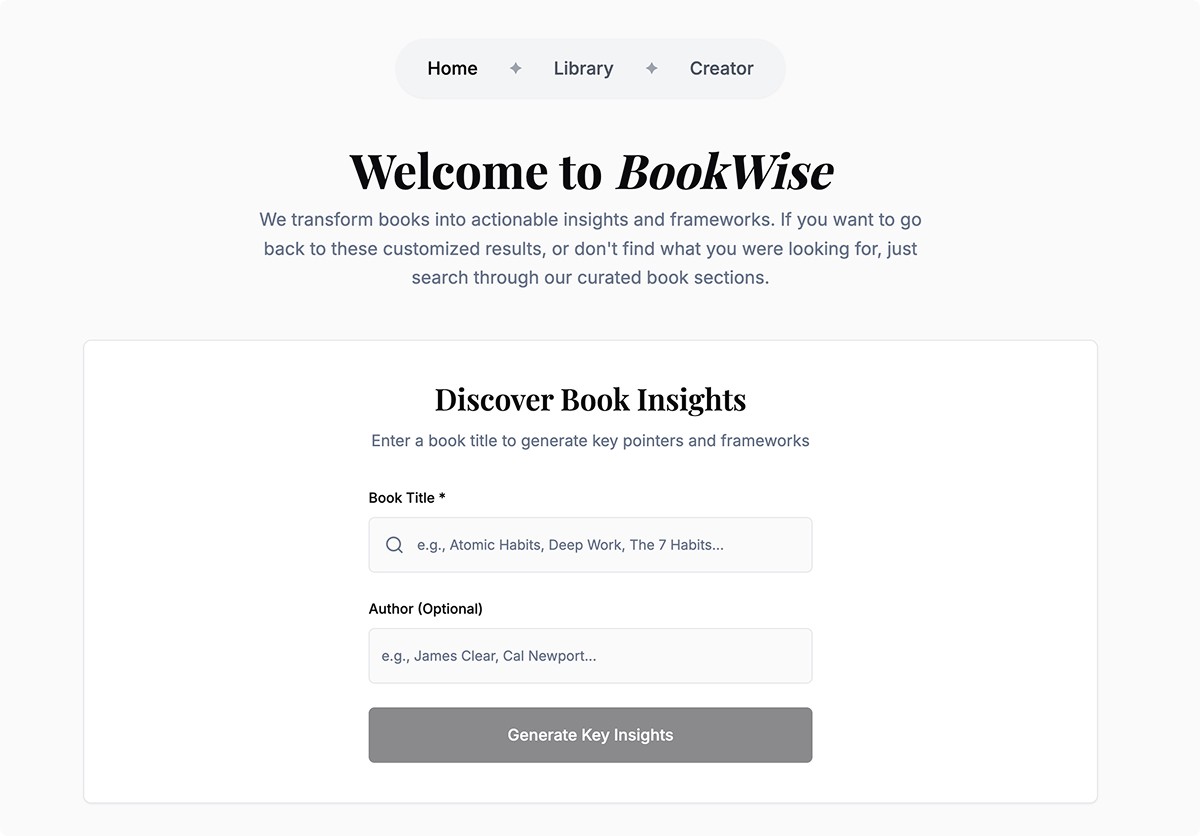
I prompted Lovable to create a book summary app. It worked almost instantly. There was a text input field. You entered a book name, and it generated a summary. At first glance, it felt impressive.
But only at first glance
The moment I looked closer, things started breaking.
It generated summaries for anything, even non-existent books
It hallucinated freely, with no checks
There was no autocomplete, no suggestions
No memory, it generated the same book summary again and again
Content felt repetitive and unstructured
It worked. But it wasn’t a product.
Trying to fix it (and hitting limits)
I started fixing things within Lovable. Improved some UI, Set up a basic Supabase database. But before I could go further… I ran out of credits. That was the first signal.
This approach wouldn’t scale.

The messy middle
So I tried a different approach. I downloaded the code and moved it into my own environment. Now I was:
prompting GPT
copying code
testing in VS Code
going back again
It worked. But it was slow. Too much back and forth. Too much friction.
I needed AI inside the system
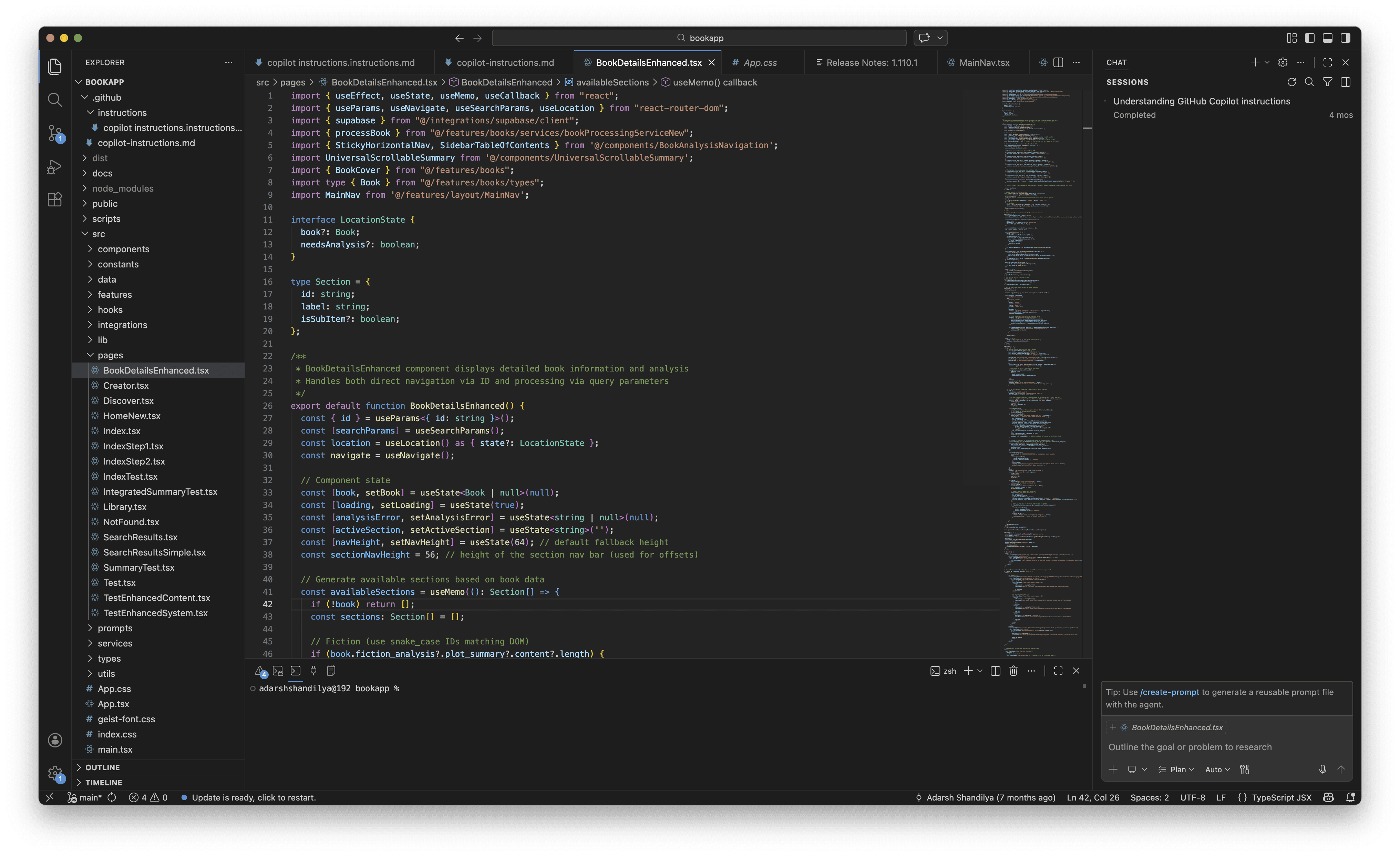
That’s when I moved to GitHub Copilot. Instead of asking AI to generate outputs… I started asking it to understand the system. I asked Copilot to audit the entire codebase. The result was expected:
Logic gaps everywhere
No clear structure
Important calls happening on the frontend
No scalability or collaboration readiness
It looked like a product. But it wasn’t built like one.
The shift: from outputs to systems
This is where everything changed. I stopped asking:
“Generate this feature”
And started asking:
“How should this system work?”
Rebuilding, step by step
I began restructuring everything.
Asked Copilot (GPT-4.1) for plans before changes
Implemented changes step by step
Introduced proper architecture
Building the foundation
GitHub repo → version control
Netlify pipeline → deployment
Supabase backend → database + functions
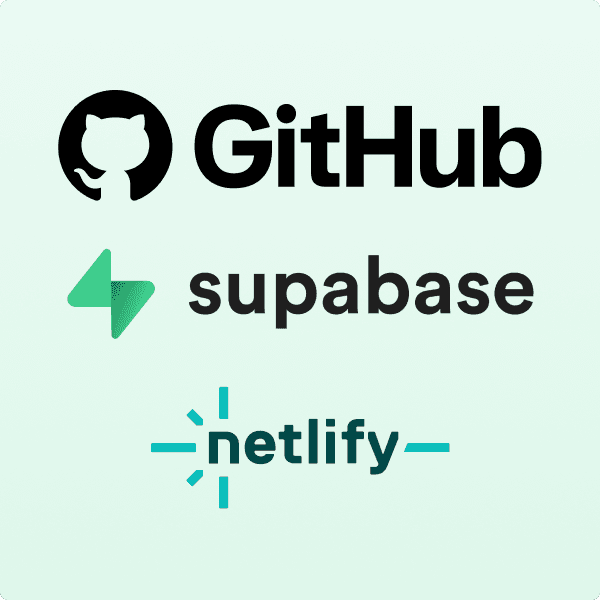
Now it was no longer just code. It was a system.
Fixing the core problem: bad data
To solve hallucination and validation: I integrated Open Library.
Books were real
Metadata was accurate
The system had a source of truth
Designing the intelligence layer
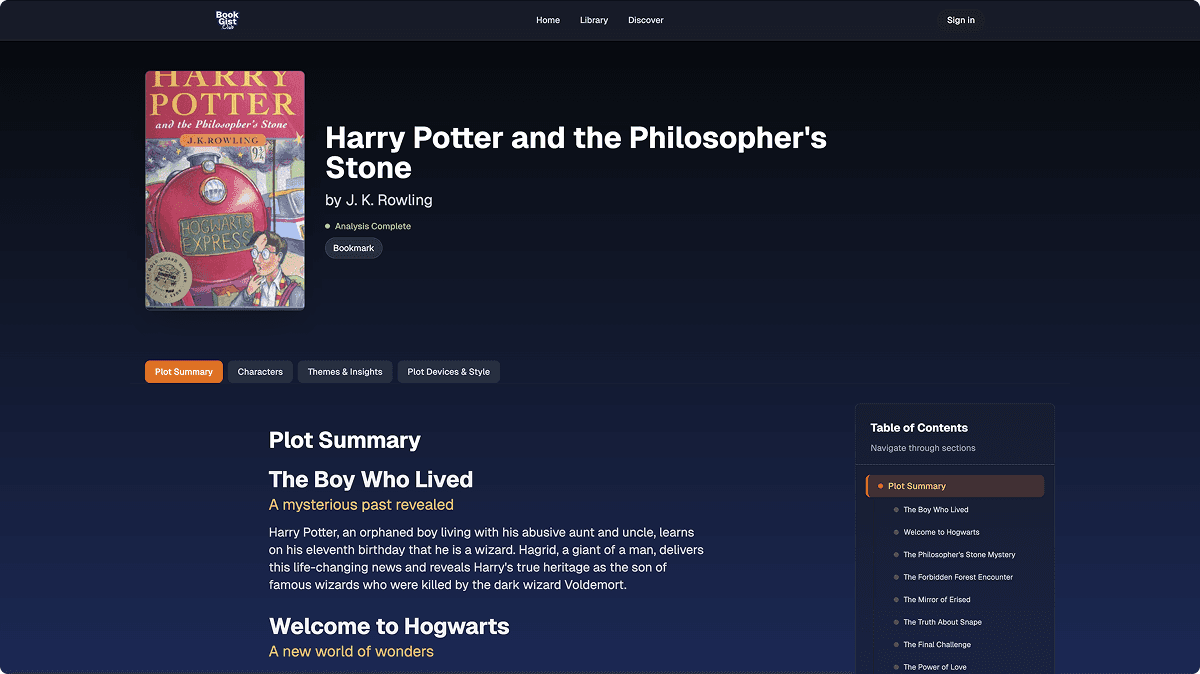
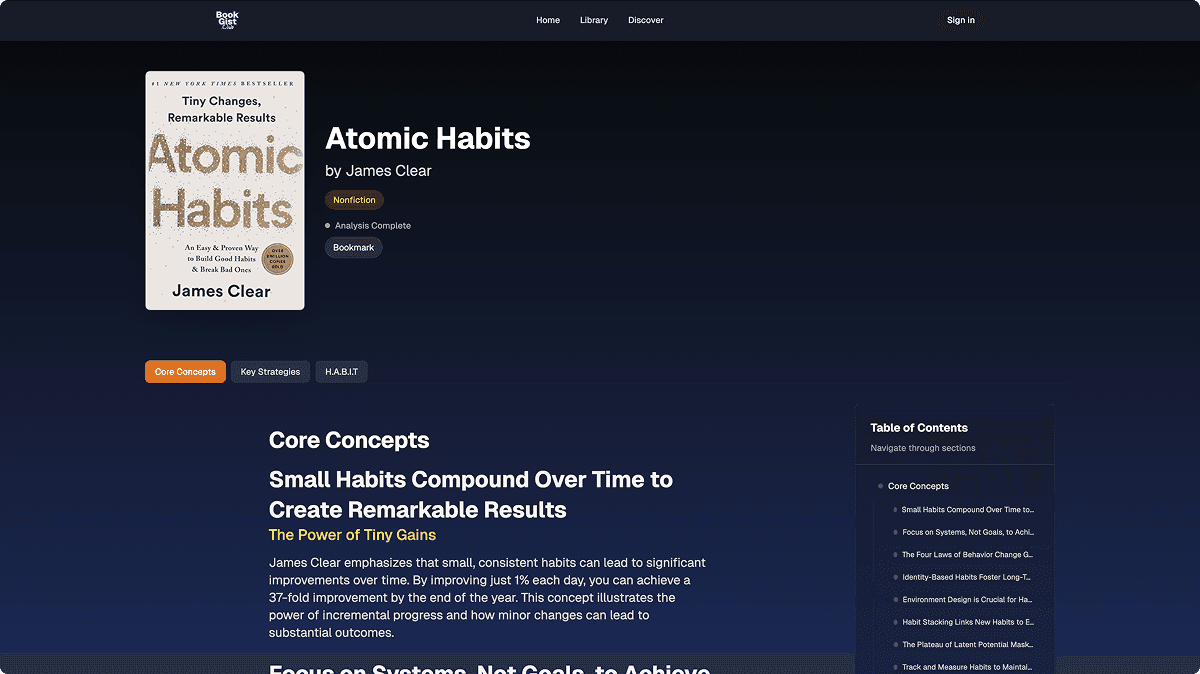
On top of that, I built a structured GPT-4.1 layer. Prompts were no longer generic. They were designed.
Fiction → different structure
Non-fiction → different structure
Now outputs were:
consistent
readable
meaningful
Moving logic where it belongs
The biggest shift: I moved critical logic to the backend. Using Supabase Edge Functions, I ensured:
validation happens server-side
generation happens server-side
data flows correctly
Not on the frontend.
It finally felt like a product
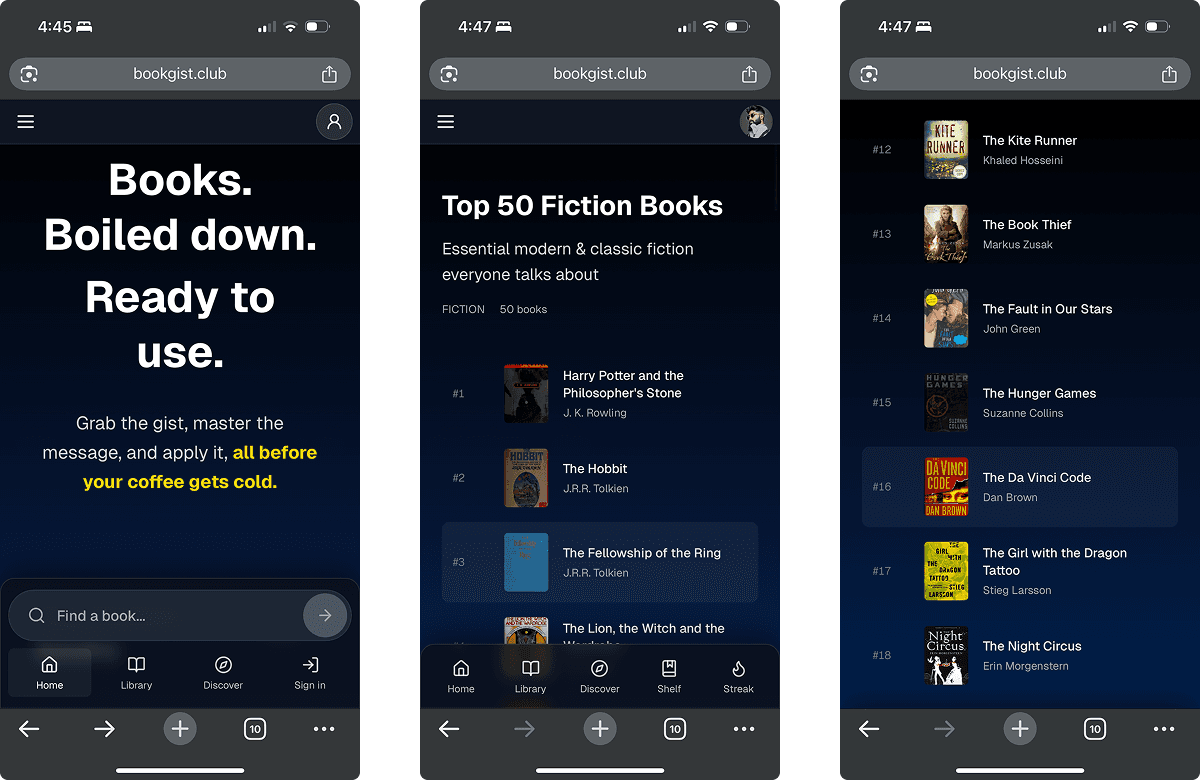
The app started changing. It stopped feeling like a demo. And started behaving like something real.
But it still wasn’t enough
Once the base functionality was stable and the UI was decent…The product was doing its job. But that’s all it was doing. It didn’t have much more to offer. I had ideas. But I didn’t have the time.
Then collaboration changed everything
That’s when my friend and flatmate Devesh got involved. He’s a developer exploring vibe coding. He jumped in. And something surprising happened.
The system worked
He was able to:
understand the codebase quickly
set things up easily
start pushing changes immediately
No friction. No confusion. Because the system was structured.
We started building together
And things moved fast. We added:
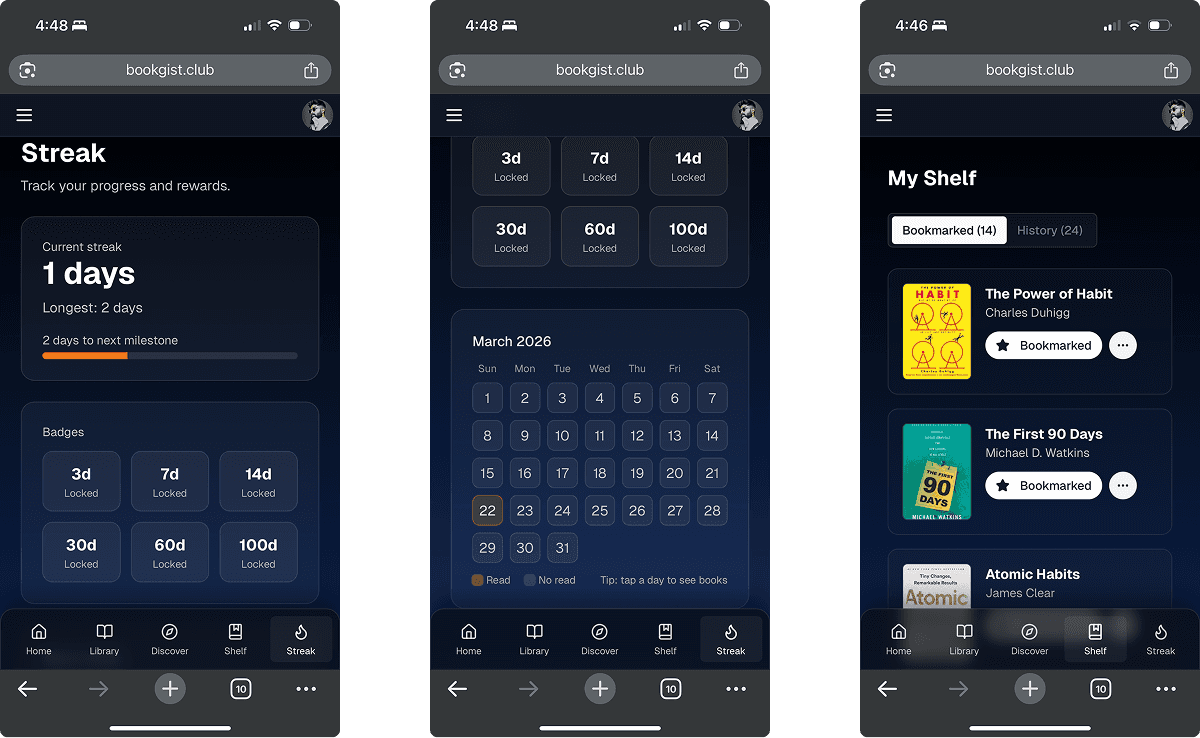
Login with Google
Library → save books
Streaks → build habit
Reading lists → curated content
It became something people could return to
The product was no longer just:
“Generate summary”
It became:
“Engage with knowledge”
The real insight
This entire journey led to one realization:
AI makes production extremely fast. But it needs direction.
A lot of it. Without structure: it generates outputs, With structure: it builds products. And that difference is everything.
What this project really became
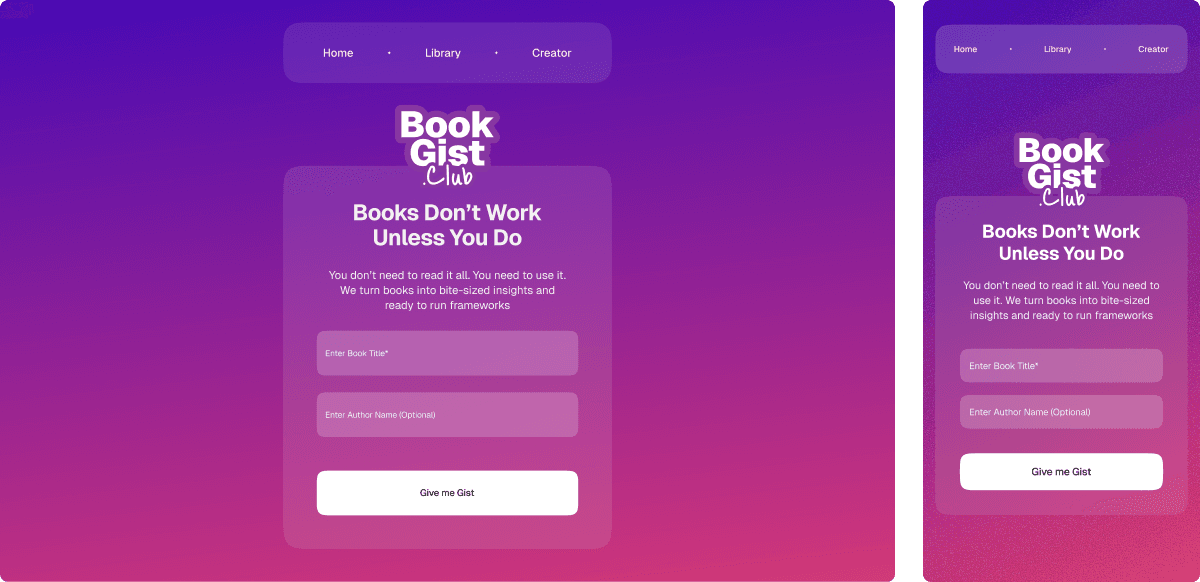
Bookgist.club started as an experiment. But it turned into something else. A way of working. A way of thinking. The real question, What does it actually take to build a real product with AI? Not just prototypes. Not just demos. But something that works
The answer
AI doesn’t replace craft. It demands it. Just in a different form.